





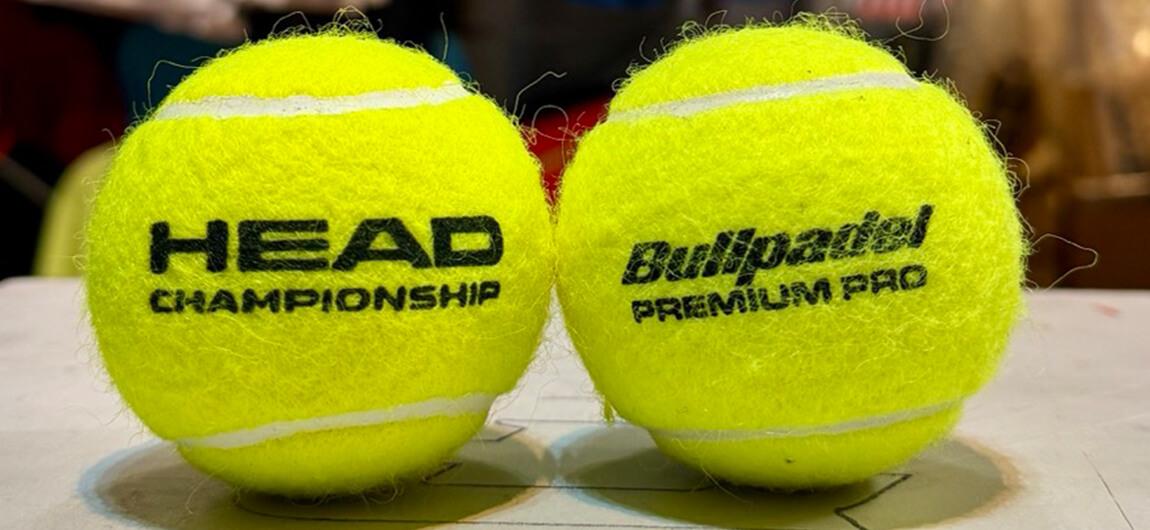
At first glance, padel and tennis balls look the same. But they play very differently. The main difference is in how they bounce and feel on court.
Padel balls are made with slightly less pressure, so they bounce lower and travel slower. This gives players more control inside a smaller, enclosed court. Tennis balls are more pressurised, which makes them bounce higher and move faster - perfect for the larger open space of a tennis court, but far too lively for padel.
Feature |
Padel Ball |
Tennis Ball |
Size |
Smaller |
Larger |
Weight |
About the same |
About the same |
Pressure |
Lower (10–11 psi) |
Higher (14–15 psi) |
Bounce |
Lower and slower |
Higher and faster |
Felt Texture |
Slightly thinner |
Thicker and denser |
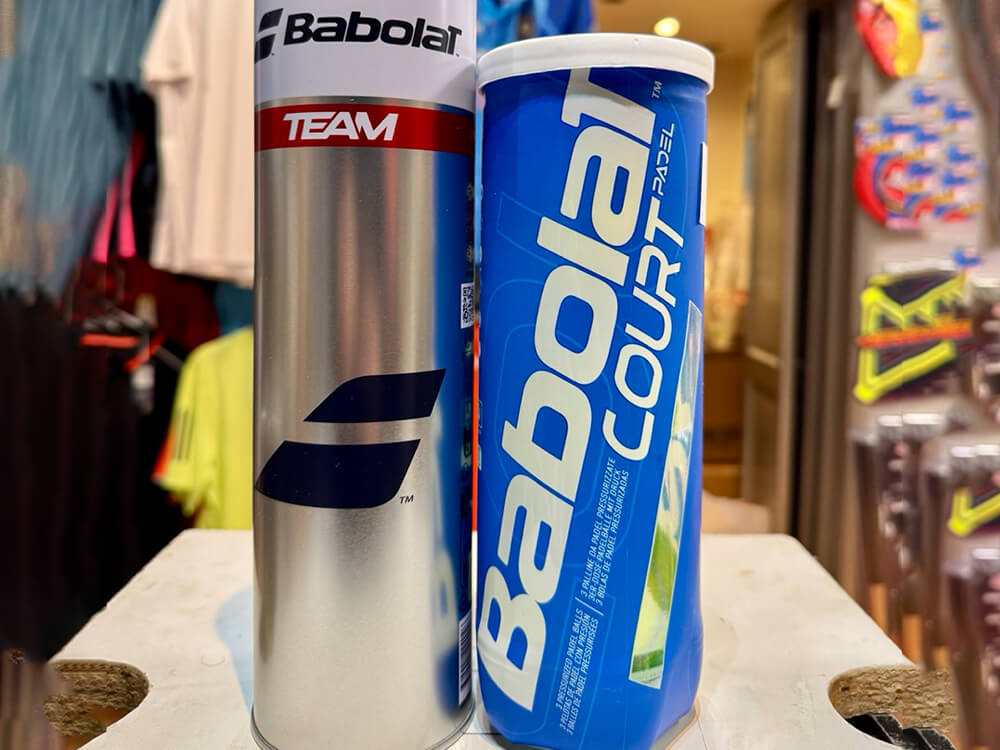
Padel balls are slightly smaller and less pressurised, giving them a softer, more controlled bounce suited to indoor and glass-walled play.
A tennis ball will bounce too high and fast, making the game harder to control. It can also put extra strain on your racket and arm because it’s not designed for padel’s glass and turf surfaces. Padel balls keep the pace right and the rallies enjoyable.
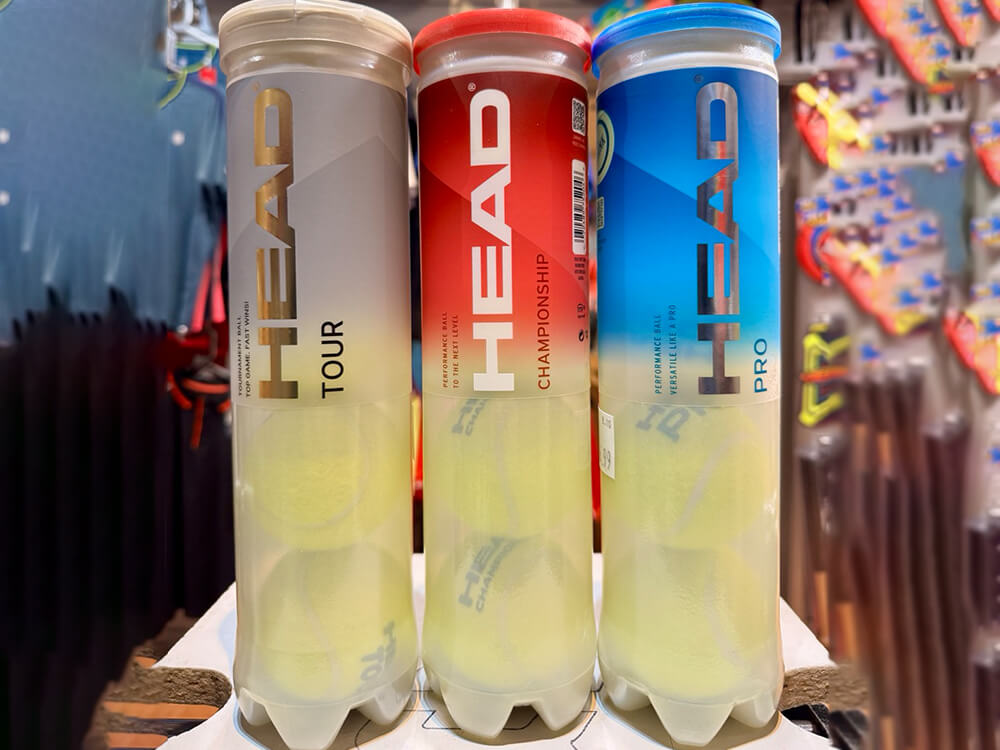
Padel balls lose pressure a bit faster than tennis balls. Regular players usually change them every couple of matches. If the bounce starts to feel flat or heavy, it’s time for a new set.
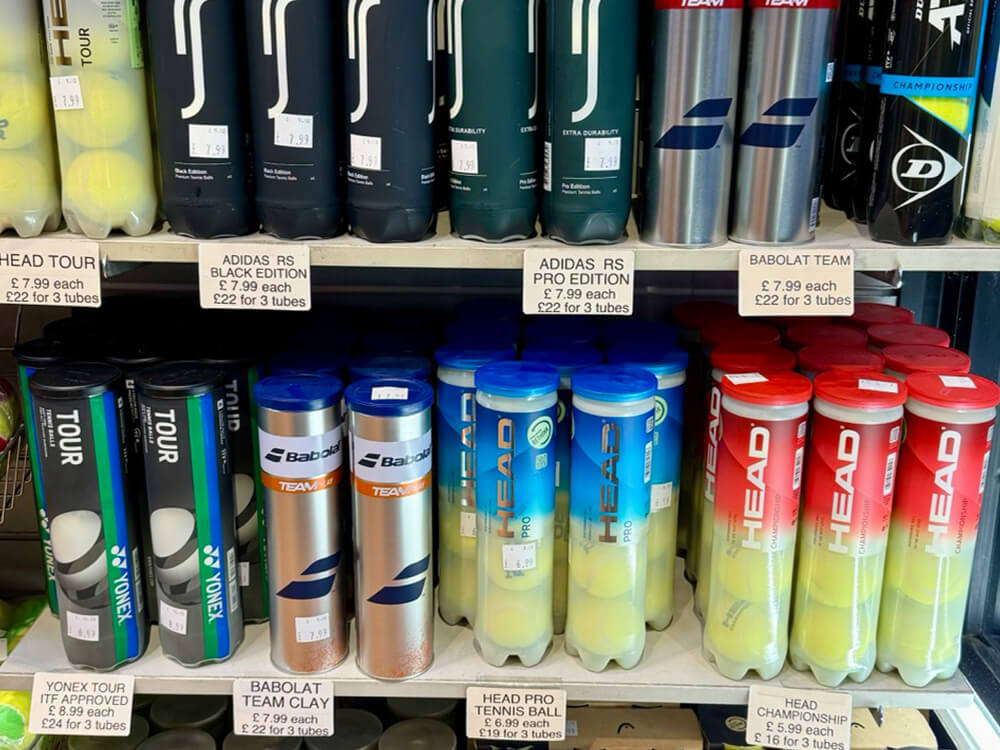
To help extend the life of your balls, VKS also stocks Bounce Ball Pressurisers for both tennis and padel. They’re an easy way to restore lost pressure and keep your tennis and padel balls performing longer.
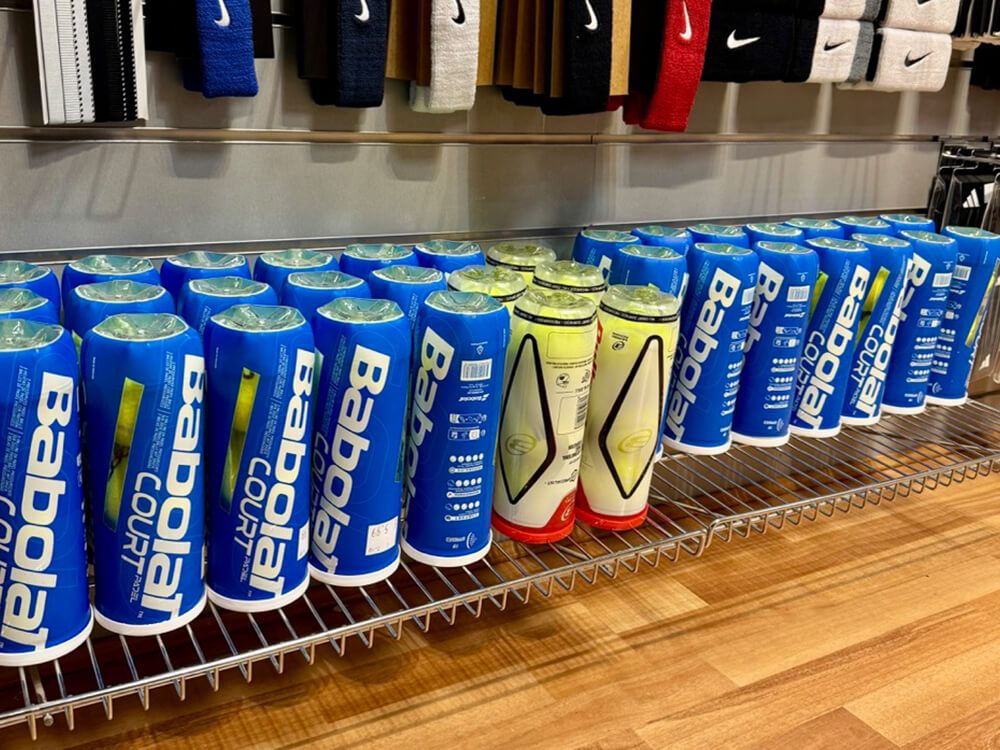
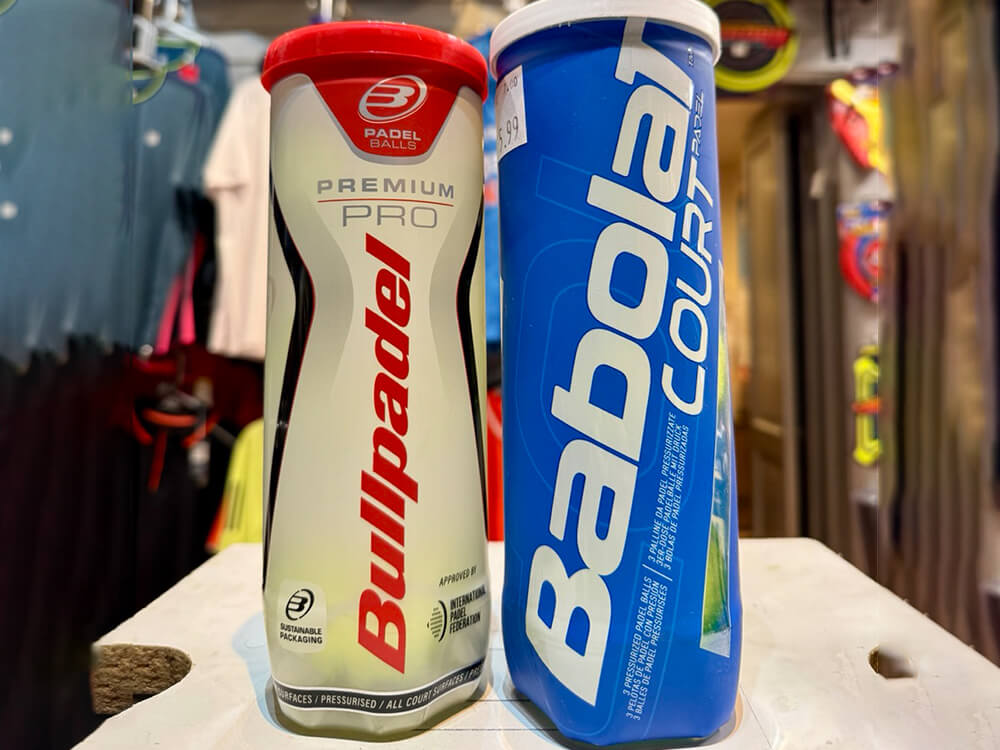
At VKS, we stock padel balls for all levels:
You’ll find them all online at vksrackets.com or in-store at our Ealing shop.
Padel balls and tennis balls may look similar, but the way they play is completely different. Using the right ball will make your game smoother, more enjoyable and better for your equipment.